

Pre-Owned Crossovers or SUVs: Which Is Right for Your Lifestyle?
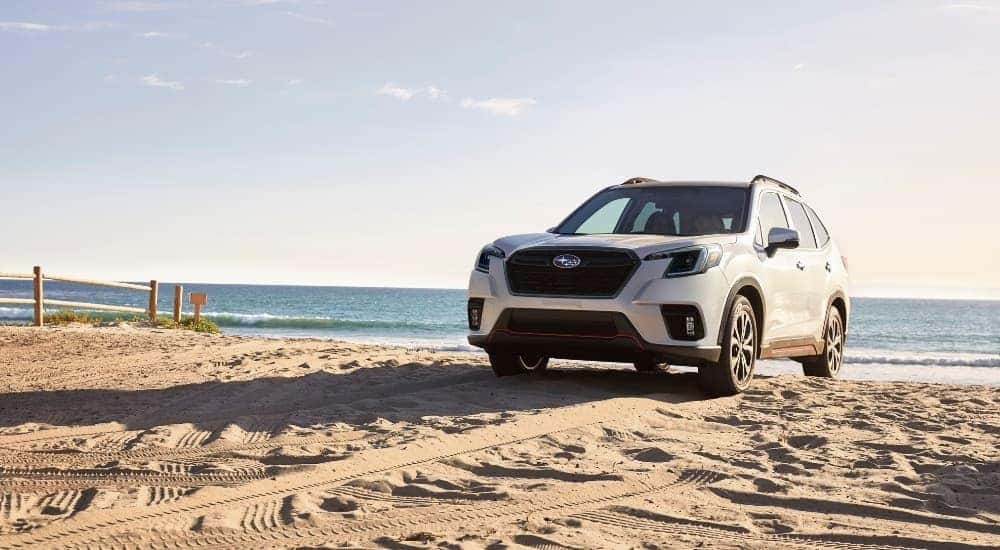
In the 21st century, crossovers and SUVs have come to dominate the American automotive landscape. Together, they accounted for 58% of all new vehicles sold in 2024. This popularity also means that when you visit CBS Quality Cars, your premier car dealership in Hillsborough, you’ll find a lot of used crossovers and SUVs.
As others trade in their vehicles for a new model, you have a great opportunity to pick up a used model at a great price. Even a crossover or SUV that’s a few years old can save you thousands of dollars while offering all the features you want or need.
But should you be looking at a used crossover or a used SUV? Although crossovers are often called SUVs, they are a distinct type of vehicle that appeals to a different audience. Crossovers and SUVs each have upsides and downsides, so it’s important to choose the vehicle with upsides that best fit your lifestyle and driving preferences. Let’s compare used crossovers and SUVs to see how they measure up in the areas that matter most to North Carolina drivers.
Unibody Versus Body-on-Frame
At its core, the debate between crossovers and SUVs comes down to how they’re built. Like most modern cars—sedans, coupes, etc.—a crossover is built on a unibody platform. This is when the vehicle’s body and chassis are a single piece. However, they have an SUV-style body and increased ride height, so they visually resemble an SUV and offer some of the same capabilities.
The name comes from how they are a “crossover” between a car and an SUV. Popular used crossovers include the Chevrolet Equinox, Toyota RAV4, Jeep Patriot, Subaru Forester, Hyundai Santa Fe, and BMW X3.
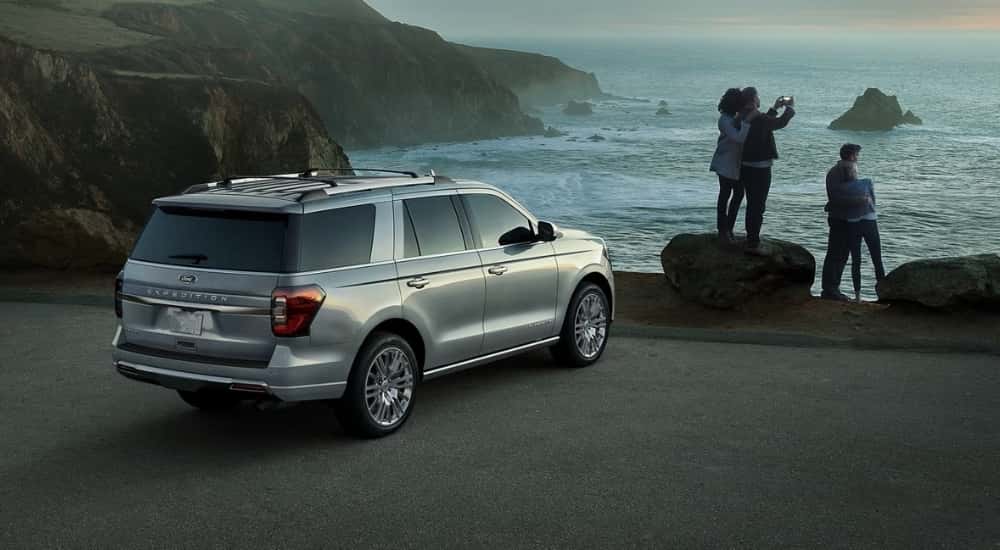
Meanwhile, a true SUV (sport utility vehicle) is made using the classic body-on-frame vehicle design. They have a separate load-bearing steel frame on which the body structure is mounted. (Most trucks are also still made this way.) This lends itself to more rugged, vintage driving characteristics. The Jeep Wrangler, Chevrolet Suburban, Ford Expedition, Lexus GX, and Nissan Armada are textbook examples of traditional SUVs.
The unibody versus body-on-frame construction is responsible for almost all the major differences between crossovers and SUVs. Here’s a closer look at how these vehicle types perform in some major categories so you can see where each has the edge.
How Do They Handle on the Pavement?
If your primary driving time is spent cruising down Interstate 85 or navigating downtown Hillsborough, a used crossover is likely your best bet. Unibody vehicles are much lighter and more responsive than body-on-frame vehicles, making them easier to control. Some crossovers have refined driving that rivals luxury vehicles, and others are borderline sporty.
Conversely, an SUV will drive much more like a truck, which is fitting since many share platforms with trucks (like the Ford Expedition and F-150). An SUV is many things, but refined and sporty are typically not among them. You have to get up on the wheel to point them where you want to go. Some people like that feeling, but others shy away from it. While SUVs often have larger engines than crossovers, this is frequently offset by the additional weight.
What About Off-Road Driving?
When you move away from smooth, paved roads, SUVs pull in front. The steel frame is much stronger and more resilient than a unibody frame, meaning it performs better when dealing with rough roads, branches, water, and other hazardous situations.
Another reason SUVs are better off-road is that they are typically equipped with true 4WD, whereas crossovers have AWD. That could be another article, but the short version is that while AWD is better for rainy and snow main roads, 4WD produces better traction on trails and unmaintained roads. (2WD is also still an option if you prefer).
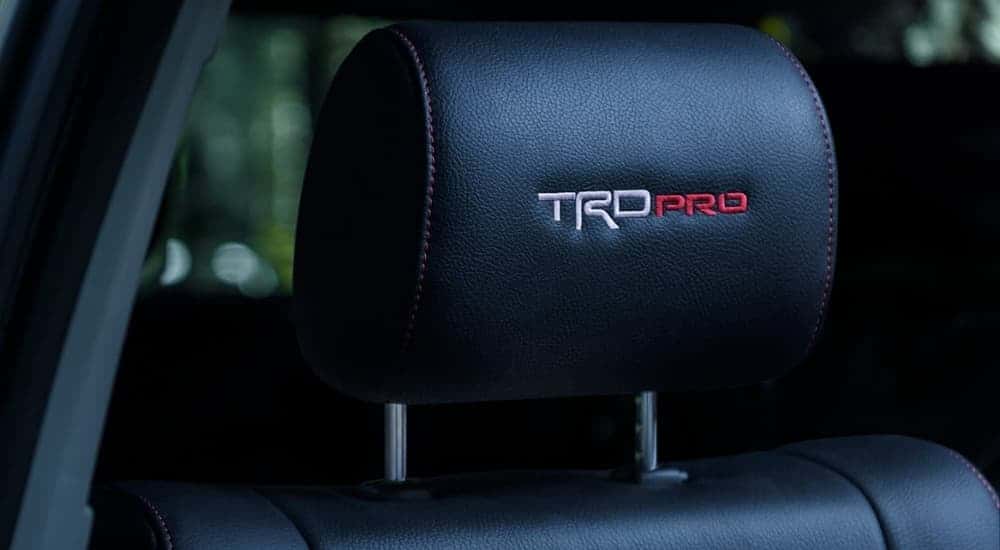
That’s not to say you can never take a crossover off-road. Most can handle backroads and light trails, and some are equipped to do more serious exploration. This is especially true of automakers known for off-roading, like Jeep and Subaru. Some crossovers also have specific trim levels geared towards off-roading; the Toyota Sequoia TRD Pro is a good example. But if your idea of a fun weekend is heading to the nearest national forest or mud bog, a used SUV is likely the best choice.
How Do They Differ Regarding Towing and Payload Capabilities?
There is one area where SUVs have the advantage for driving on main roads, and that’s if you do heavy hauling. Not only does the stronger frame improve off-road performance, but when combined with the bigger engines often seen in SUVs, it also boosts towing and payload capacity. This lets you bring more cargo along, whether that means people, ATVs, campers, boats, luggage, or other vehicles.
Here’s a comparison: the current generation of the Chevy Traverse, GM’s largest crossover, has a 5,000-pound towing capacity with either of its engine options. As for the Chevy Tahoe SUV, its towing capacity ranges from 8,200 to 8,400 lbs. That’s the difference between being able to tow a small fiberglass fishing boat and a midsize sailboat to Lake Orange. There is also a maximum payload difference between the two; although crossovers have closed the gap, SUVs still reign.
What Are the Size Differences?
If sheer size is your goal, an SUV is your speed. Nearly all SUV models sold today are classified as full-size, with some midsize options like the Wrangler. Although you can occasionally find a compact body-on-frame SUV, they are rare.
This means a lot more space inside; some SUVs can fit tall adults comfortably in all three rows while having a full cargo area behind them. An SUV is great for large families, road trips with friends, or removing seat rows for massive storage capacity (and even in-vehicle mattresses). On the other hand, it will be harder to fit your SUV in parking spaces, guide it through rush hour traffic, or take tight turns.
With crossovers, the opposite is true, as subcompacts, compacts, and midsize models dominate the market. The biggest crossovers are still smaller than comparable SUVs. Going back to our Chevy comparison, the Chevy Suburban is much longer than the Traverse.
This means cargo and/or legroom will take a hit. However, that may not be a big deal depending on who and what you’re bringing for the ride, and the tradeoff is more maneuverability. A crossover is great if you want a vehicle that’s the size of a car but has more storage and better sight lines.
Whether It’s an SUV or Crossover, We Have the Pre-Owned Selection You’re Looking For
There are many fantastic used crossovers and SUVs, but it starts with determining which type of vehicle fits you best. If you’re primarily interested in a well-driving, versatile everyday vehicle with light-to-moderate off-roading, towing, and cargo capabilities, a crossover has you covered. Drivers who are willing to sacrifice on-road refinement for high-level off-roading, increased towing and payload capacity, and/or maximum seat and storage space will get that from an SUV.
Once you’ve decided on a vehicle-buying path, start your journey by visiting CBS Quality Cars or browsing our online inventory. We are the leading used crossover and SUV dealer near Hillsborough, with dozens of options from the leading manufacturers.
Trust our friendly, bespoke sales team to help you find a vehicle that is reliable, safe, affordable, and has the features you want. CBS Quality Cars also has an experienced finance center that will come up with a plan to fit your budget and give you the most value for your trade-in. Talk with our team today and let them help you get behind the wheel of a great pre-owned vehicle.
0 comment(s) so far on Pre-Owned Crossovers or SUVs: Which Is Right for Your Lifestyle?